



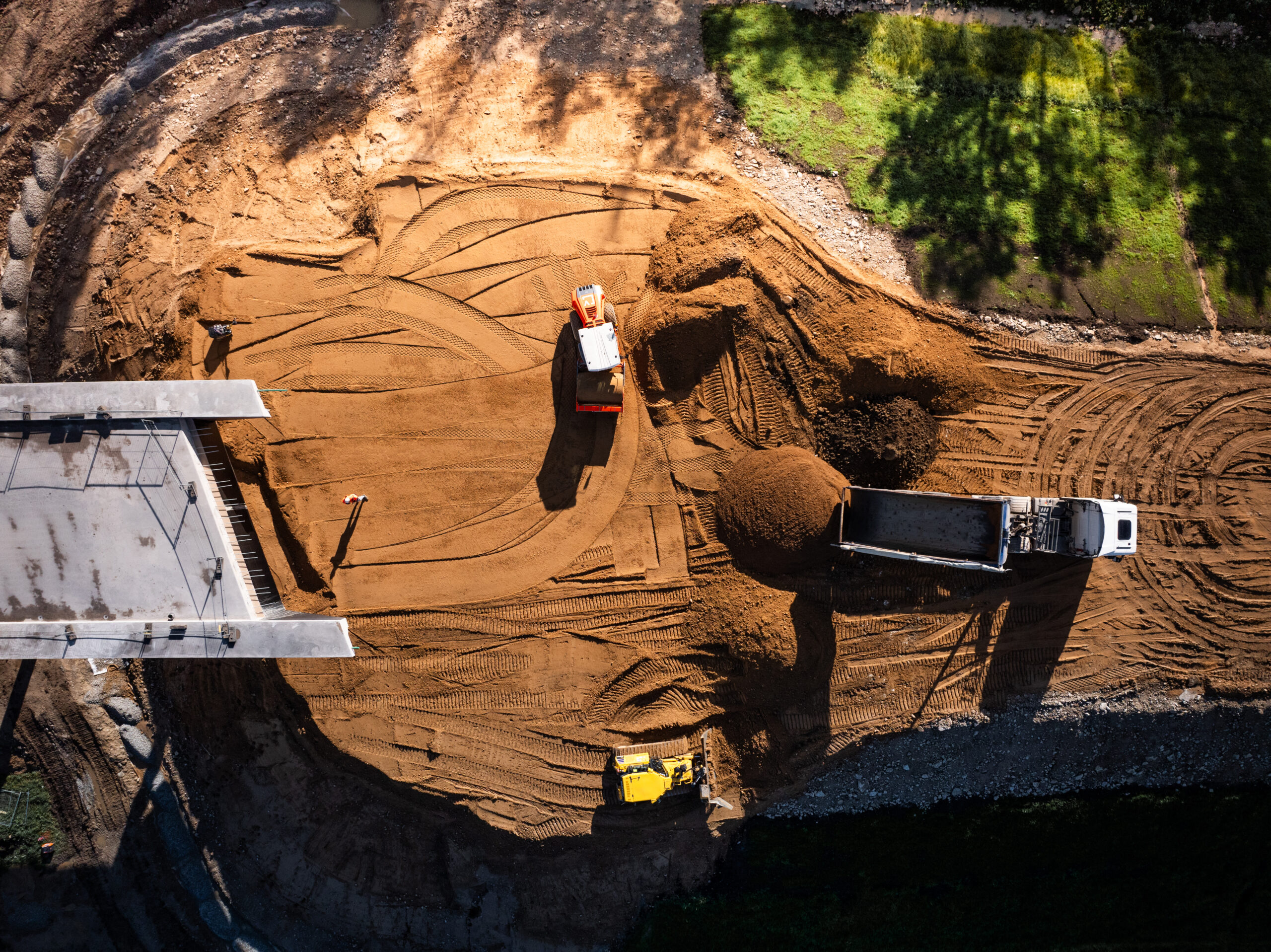
Infrastructure shapes economies, communities and environments for generations.
At Verston, sustainability means building and maintaining infrastructure that performs reliably, lasts longer and creates value for our society while reducing environmental impact beyond the construction phase.
We focus on practical outcomes: safer projects, smarter resource use and predictable long-term performance.
Our approach to sustainability is embedded in how our projects are planned, delivered and maintained every day, including how we think and act.
It is built around five interconnected priorities.
1
CO₂ reduction & climate impact
We work to reduce emissions through smarter planning, efficient execution and lifecycle thinking.
The largest environmental impact of infrastructure often comes from how long it lasts and how efficiently it operates.
Our focus is therefore on durable solutions rather than short-term reductions alone.
2
Circularity & materials
Circularity & materials
Infrastructure consumes large volumes of materials.
We aim to minimise waste, extend material life cycles and increase reuse wherever technically and economically viable.
Responsible use of material lowers environmental impact while improving project efficiency.
3
Longevity & lifecycle performance
Longevity & lifecycle performance
A road, railway or energy connection should serve society not just now, but for decades to come.
We prioritise engineering solutions that reduce maintenance needs, improve reliability and lower the total lifecycle costs.
Longevity is one of the most powerful sustainability decisions an infrastructure company can make.
4
Safety & social responsibility
Safety & social responsibility
Every project must be safe for employees, partners and the public.
Strong safety culture, transparent cooperation and professional execution form the foundation of responsible infrastructure delivery.
5
Governance & responsible growth
Governance & responsible growth
Sustainable growth requires disciplined decision-making.
We operate with clear governance structures, risk management practices and compliance standards that support long-term trust with clients, investors and partners.
Responsible delivery is embedded into how we plan everything we do.
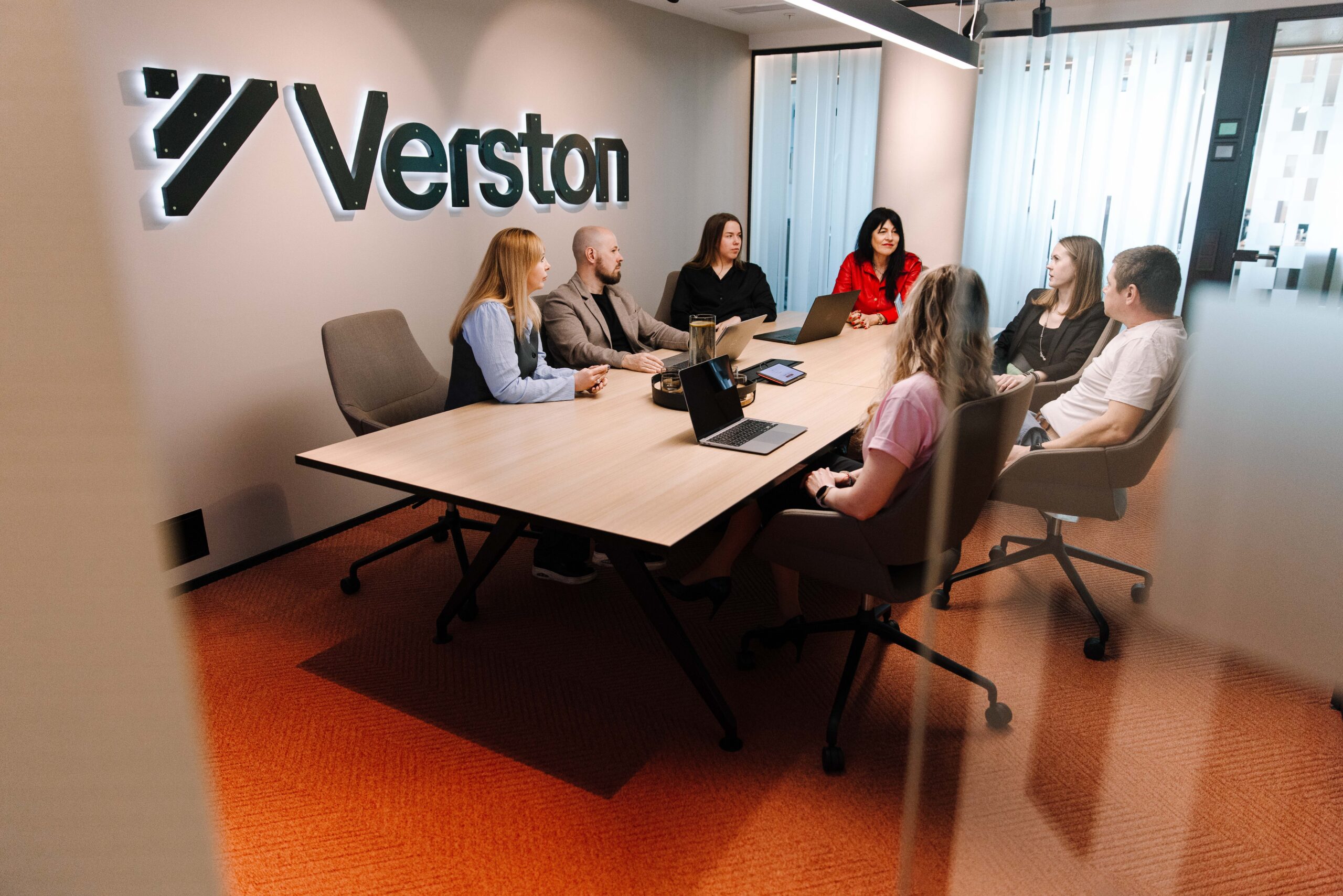
Value-first project delivery
We support procurement models that consider lifecycle performance, safety and quality alongside price. Infrastructure decisions made at the tender stage often determine environmental and financial outcomes for decades.
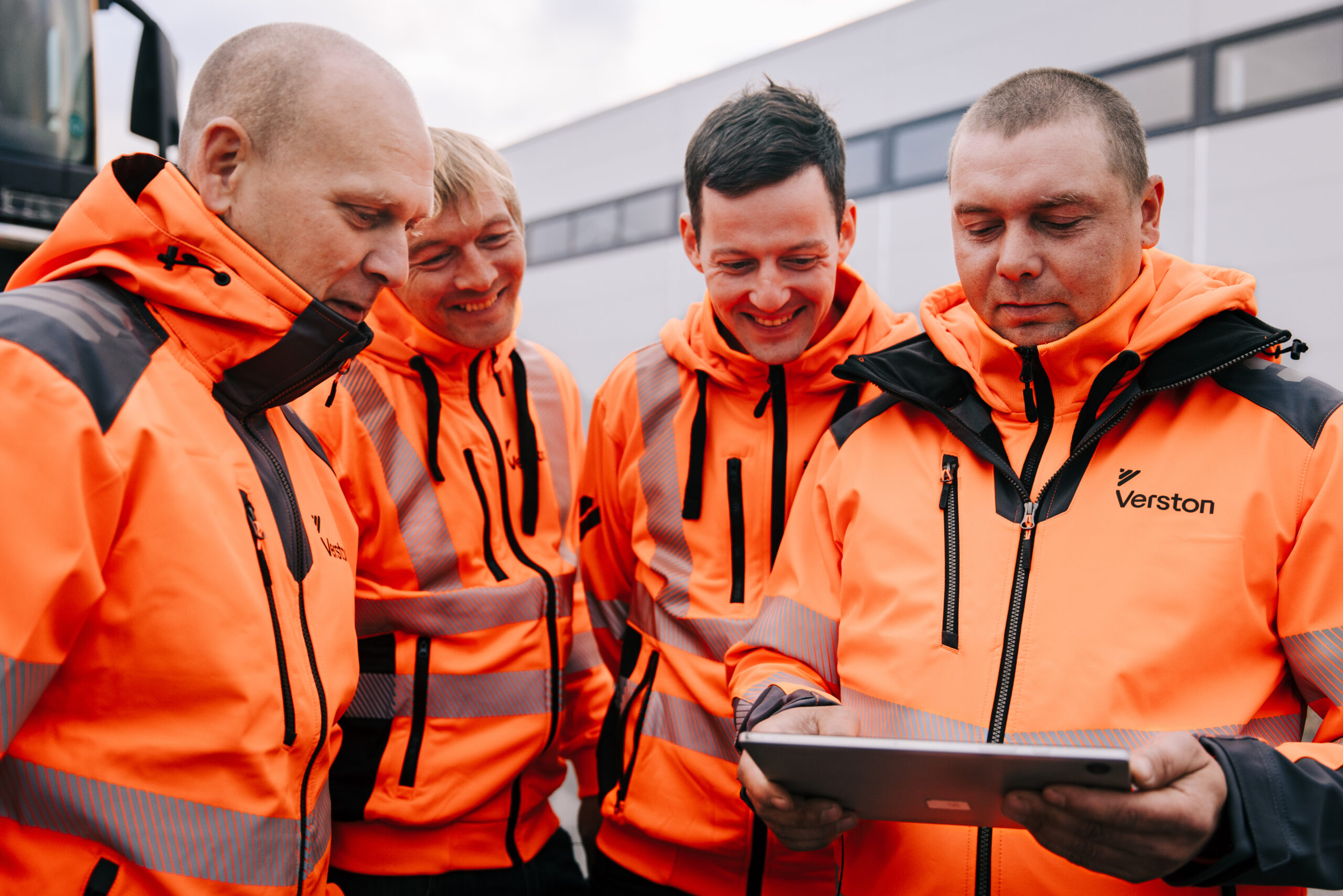
Digitalisation & data-driven decisions
Digital tools improve predictability, reduce material waste and enable better planning. Data helps teams identify risks earlier, optimise resources and make informed decisions throughout project delivery.

Responsible supply chain
We work with partners who share our standards for safety, quality and responsible operations. Long-term cooperation and clear expectations help ensure consistent performance across projects and markets.
Infrastructure sustainability depends on people. Skilled teams, safe working conditions and a strong professional culture are essential for delivering reliable projects.
We invest in competence development, leadership growth and collaboration across markets. Our goal is to create an environment where professionals can build infrastructure they are proud of and contribute to long-term societal value.

Trust is built through transparency and disciplined management.
Verston operates with clear governance structures, defined responsibilities and systematic risk management practices. Ethical conduct, regulatory compliance and responsible decision-making guide our operations as we expand across Europe.
Sustainability becomes meaningful only when applied in real projects.
What does sustainable infrastructure mean at Verston?
At Verston, sustainable infrastructure means building and maintaining infrastructure that performs reliably, lasts longer and creates value for society while reducing environmental impact beyond the construction phase. Verston focuses on practical outcomes: safer projects, smarter resource use, lower lifecycle impact and predictable long-term performance.
What are Verston’s sustainability priorities?
Verston’s sustainability approach is built around five connected priorities: CO₂ reduction and climate impact, circularity and materials, longevity and lifecycle performance, safety and social responsibility, and governance and responsible growth. These priorities guide how projects are planned, delivered and maintained.
How does Verston reduce environmental impact?
Verston reduces environmental impact through lifecycle thinking, smarter planning, efficient execution, material reuse, circularity, digital tools, responsible supply-chain cooperation and durable engineering solutions. The aim is to reduce emissions and waste while improving safety, reliability and long-term value.
Why does sustainability matter in road construction?
Sustainability matters in road construction because roads and infrastructure shape communities, economies and environments for decades. Decisions about materials, design quality, logistics, maintenance and lifecycle performance influence emissions, resource use, safety and long-term costs. Durable, well-managed infrastructure can reduce rework and create more value over time.
How does digitalisation support sustainability at Verston?
Digitalisation supports sustainability at Verston by improving planning, progress monitoring and decision-making. Tools such as BIM, machine control, drone surveys, data analysis and digital reporting help teams identify risks earlier, use materials more efficiently, reduce unnecessary work and deliver infrastructure with better predictability.
How does Verston measure environmental impact?
Verston has been systematically developing environmental data and sustainability management, including CO₂ measurement, climate planning and better integration of environmental indicators into management decisions. The aim is to make sustainability measurable, comparable and relevant to everyday project delivery.
Does Verston have environmental or quality certifications?
Yes. Verston holds internationally recognised ISO 9001:2015 quality management and ISO 14001:2015 environmental management certifications. These certifications support systematic management of quality, environmental performance and continuous improvement.
How does Verston contribute to local communities?
Verston contributes to communities by building reliable infrastructure, supporting education, investing in people, cooperating with local partners and taking responsibility for safety and environmental impact on projects. The company’s community work includes education-related initiatives, volunteering and support for sport and local development.
How does renewable energy infrastructure fit into Verston’s sustainability approach?
Renewable energy infrastructure supports Verston’s sustainability approach by helping clients build the physical systems needed for a lower-carbon energy future. Verston contributes civil infrastructure for wind and solar projects, while the Group’s energy infrastructure capability includes solar power plants and energy storage expertise through Smartecon. Together, these capabilities support more complete renewable energy infrastructure delivery.